| |
| 
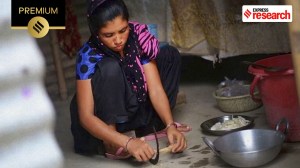
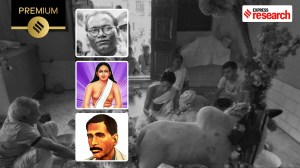
Dear reader, Earlier this month, 550 Dalits from Gidhagram, a small village in West Bengal, entered a local temple for the first time. The incident has sparked discussions on the issue of caste-based discrimination in a state that has for long, and in popular consciousness, been considered as ‘casteless’. Is caste indeed invisible in Bengal? Experts would say that caste in Bengal has been consciously and systematically unrecognised. There are, in fact, several historical factors that are responsible for the lack of public recognition of caste in the region. To begin with, caste in Bengal has had a distinct journey of evolution in comparison with the rest of the country. This was mainly because Bengal was geographically distant from the core area of Brahmanism, and the caste system in the region was not as deeply rooted as in many other parts of the subcontinent. However, this is not to say that caste did not exist in the region. It has been part of the social structure of Bengal for thousands of years. While its recognition in the public consciousness is conspicuous today, so is the fact that there has never been a consolidated Dalit or lower-caste movement in the region of the kinds that occurred in Tamil Nadu, Uttar Pradesh or Bihar in pre or post-Independence. This is despite Dalits comprising about 23.5 per cent of the total population in West Bengal, and the state being home to the second-highest population of Dalits in the country. This week's story unravels the many layers of a complicated history of caste and Dalit experience in Bengal. We found out about the impact of a prolonged Communist regime on caste issues and why a large corpus of Dalit literature from Bengal has primarily remained undocumented. This week, our other story from West Bengal examines how the state has emerged as a hub for female domestic labour. As part of our ongoing ‘Women and Work’ series, this story documents the complex nexus of factors responsible for many women and young girls migrating from rural Bengal to urban centres across the country in the years immediately following the Partition. Wishing you a pleasant weekend ahead. Sincerely,
Adrija Roychowdhury | | | |
| |
| |
| |






No comments:
Post a Comment