| 
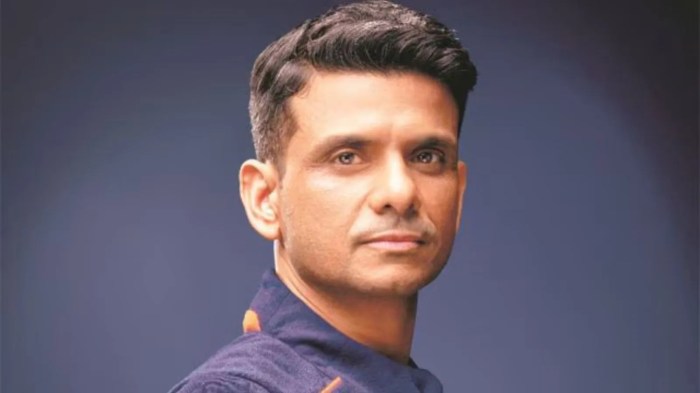
Dear readers, It often starts innocently. A quick late-night glance at your social media feed before bed. A flashing “breaking news” headline catches your eye. One click leads to another, and suddenly, you’ve spent two hours immersed in a digital avalanche of updates, opinions, and distressing footage. Your shoulders are tense, your thoughts heavy, but you can’t seem to stop scrolling. In recent days, many of us have found ourselves stuck in this very cycle, especially in the wake of the tragic Air India plane crash that has dominated the news. The constant barrage of greusome updates, graphic visuals, and emotionally charged posts can feel inescapable. This behaviour, often described as “doomscrolling,” is the compulsive consumption of social media — and it's increasingly common. Staying informed is vital. It helps us make sound decisions, engage in civic life, and remain connected to the world. But there’s a tipping point — a moment when being informed slips into being overwhelmed. “The habit has had a negative impact on mental health, triggering and worsening anxiety, stress, depression, panic, and rapidly affecting one’s neurological health, too,” says Dr Fabian Almeida, Consultant Psychiatrist, Fortis Hospital, Kalyan. 
What’s more, the damage isn’t only emotional. Dr Almeida notes the physical consequences are just as serious: - Increased cases of Cervical Spondylosis due to constant neck flexion
- Rise in Carpal Tunnel Syndrome, obesity, posture issues, and joint arthritis
- Significant vision problems
- Greater exposure to radiofrequency waves, which some studies link to increased risk of brain tumours
Taking a break from the news cycle isn’t ignorance — it’s self-care. Studies show that people who manage their news intake with intention are often more emotionally resilient and better prepared to engage meaningfully when needed. Here are some science-backed strategies from Dr Almeida to reduce doomscrolling:
Doomscrolling: Know its health effects and ways to keep it in check 👉 It’s human to want to understand tragedy — to find meaning, to feel less helpless. But there’s no virtue in suffering silently under a flood of information. You don’t need to absorb every detail to care. Sometimes, stepping away is how you stay strong. If you’ve been feeling emotionally exhausted or physically tense while following recent news like the Air India crash, take that as a sign. Breathe. Step back. Reconnect with yourself before reconnecting with the world. We’ll keep bringing you what matters — in doses that respect both your intellect and your wellbeing. Until next time, Rishika Singh DISCLAIMER: The articles in this newletter are based on information from the public domain and/or the experts we spoke to. Always consult your health practitioner before starting any routine.
|








No comments:
Post a Comment