| |
| 
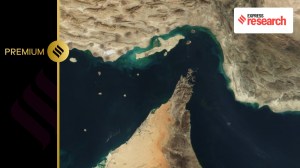
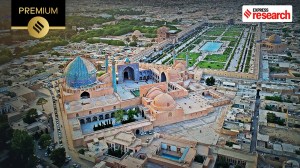
Dear reader, There is a special place that the Nishad community holds in the socio-economic and political landscape of North India. According to the 2023 caste census of Bihar, the Nishads make up approximately 9.6 per cent of the state’s total population, spread across large parts of North Bihar. Their demographic strength, coupled with geographical spread, enables them to exert considerable influence in a large number of electoral constituencies across the state. Interestingly though, the Nishads have a fairly recent origin. The term ‘Nishad’ began gaining prominence only from the early twentieth century. Their history illustrates how members of different jatis came together to forge a separate caste identity to bolster their numerical strength and translate that into political power. Our story as part of the series ‘Caste Web’ traces the story of the Nishads from the margins of North Indian society to their political mobilisation in modern India. The Nishads, under colonial administration, were listed as ‘criminal tribes’--a stigma that further marginalised them. In the post-Mandal era of the 1990s though, they began to invoke a mythological past, often drawing from the Hindu epics Ramayana and Mahabhrata. Their political mobilisation began in ernest in the post-Mandal era, when political parties were looking for subaltern symbols of leadership. Phoolan Devi was one such symbol. The Samajwadi Party took back all cases registered against her and brought her into the political mainstream of Uttar Pradesh, forging a strong connection with large sections of the Nishad community, who saw in her not only a caste kin but also a symbol of resilience and resistance against upper-caste oppression. Moving on to international affairs, last weekend, when the United States struck nuclear sites in Iran, it hit Isfahan, a city that plays a major role in Iranian history. Once the Persian capital, Isfahan was known for its flawless infrastructure and administration—often called ‘Nesf-e-Jahan’ or ‘Half the World’. Our other story this week narrates the rise and fall of Isfahan, one of Iran’s most historic sites. We also wrote about the Strait of Hormuz, a vital global trade route. Amidst fears of military conflict in the Middle East, concerns were raised about Tehran retaliating by closing the strait. Our story unravels the historical significance of the Strait of Hormuz and seeks to understand why it is so central in international relations. Wishing you a pleasant weekend ahead. Thank you, Sincerely, Adrija Roychowdhury | | | |
| |
| |
| |





No comments:
Post a Comment