| |
| 
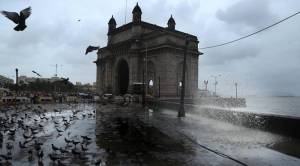
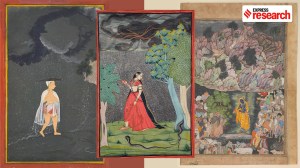
Dear reader, The rainy season has erupted in full swing nationwide, with news of downpours, waterlogging and floods being an everyday affair. Indian monsoons, for generations, have drawn the awe of artists, poets, musicians, travellers and many more. It is for a reason that the rain motif has reigned supreme in Indian cultural productions. The cultural significance of the monsoons is rooted in their influence on the Indian economy. The phrase “the Indian budget is a gamble on the monsoon” has often been repeated by economists and finance ministers in India, ever since a senior British official, Guy Fleetwood Wilson, made it popular in 1909. Our story this week looks at the representation of the monsoons in South Asian paintings. The monsoons, the emotions associated with them, and their representation in the arts are influenced by where and when one experiences them. They are also affected by processes of migration, integration and transcultural conflations. We see a few themes and motifs recurring frequently in monsoon art. The Abhisarika Nayika, or the fearless woman venturing out in a stormy night to meet her lover, passionate lovers on a rainy night, peacocks, lush greenery, and playful animals are just a few of the motifs popular in monsoon art. Then there is the depiction of classical Indian literature like Kalidasa’s Meghaduta, which has lent itself as a theme to artists painting the monsoon. The Indian monsoons have also been a source of wonder and even fear for many foreign travellers and invaders in the subcontinent. Historical documents suggest that the Indian monsoon and the tropical summer were the most significant factors that led to the retreat of the Macedonian invader Alexander the Great and his army. This story for our archives looks at the chronicles of the Indian monsoons by foreign writers and travellers in India. They carry expressions ranging from horror, awe, and alarm to amusement and longing. Moving on, we documented the story of Asma Khan and her Michelin-starred restaurant in London, Darjeeling Express, for the Bengal Memory Project series. Through her enterprise, Khan has brought to London a slice of the Calcutta she knew in the 1970s. She fondly recalled the Calcutta she grew up in and the food history of the city she is keeping alive in her restaurant. Wishing you a pleasant weekend ahead. Thank you, Sincerely, Adrija Roychowdhury | | | |
| |
| |
| |





No comments:
Post a Comment