| |
| 
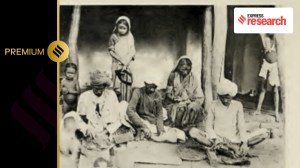
Dear reader, Kolhapuri chappals, handcrafted leather sandals from Maharashtra, have received unusual attention over the last week after luxury fashion brand Prada featured a strikingly similar design in its latest collection. While the brand acknowledged drawing inspiration from the design, experts say that mere acknowledgement is not enough. The Kolhapuri footwear is a product of generations of labour of a specific caste group that resides in the towns of Kolhapur and Miraj in Maharashtra. Collectively, they are known as the Charmakar, a term that in Sanskrit refers to a leather artisan. Our story this week traces the history of the Charmakars and looks closely at the challenges they have faced over the years. Among the most crucial threats facing the community in recent years is the declining number of tanneries across the country. Then there is the competition from multinational brands such as Bata, Adidas, and Reebok, which offer similar products at competitive prices, and the resistance from younger generations to join this stigmatised profession. In other news, Home Minister Amit Shah was heard decrying the English language at a recent event, as he noted that “in this country, those who speak English will soon feel ashamed.” The comment soon became a source of public debate. In our other story this week, we reflected upon the factors responsible for English's unique position in India. Contrary to popular belief, English did not enter India purely as the language of the Empire; it first arrived in the early 17th century as the language of trade. Over centuries, however, the language has embedded itself deep into the Indian psyche. It is historical, sociological, and deeply political. English in India is a paradox: the language of the coloniser that now signals empowerment, aspiration, and even resistance. For many, English is not the language of elitism, but rather that of aspiration. In 2010, Dalits in Uttar Pradesh’s Banka village built a temple to worship ‘Angrezi Devi’ or the Goddess of English. The English language, for them, is a tool to bypass the linguistic hegemony of the classical Indian languages that had kept them oppressed. We also wrote about the oldest watch seller in Kolkata and their very special Swiss ancestry. Established in 1908 at BBD Bagh, the Anglo-Swiss Watch Co. is an ode to a love story that blossomed in the early twentieth century between a Swiss watchmaker and jeweller named Hammond Grammitter and an Anglo-Indian woman in Calcutta. Wishing you a pleasant weekend ahead. Sincerely, Adrija Roychowdhury | | | |
| |
| |
| |






No comments:
Post a Comment