| |
| 
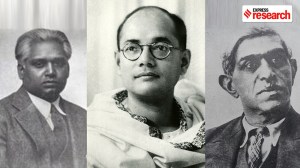
Dear reader, Among the European colonial powers who made India their home, the French were the last to reach. They arrived several decades after the Portuguese, the Dutch and the British, and within a matter of just a century, were reduced to mere spectators to the grand British imperial ascent in India. Despite their limited presence in the Indian subcontinent, the French rulers did leave behind far-reaching consequences. Most importantly, they built a legacy around them that perceived the French as the ‘good colonisers’ of India. A new book by historian Robert Ivermee, titled Glorious Failure: The Forgotten History of French Imperialism in India (Hurst Publishers, 2025), busts this myth, and suggests that French domination on India had longstanding damaging effects which are missing from the popular historical narratives of colonialism in India. We interviewed Professor Ivermee to tell us more about his new project. During the conversation, he told us more about why the French chose to come to India, why the myth of the ‘good coloniser’ was created in the first place, and why the European power failed to establish a territorial empire in India. From colonialism, we moved to anti-colonial struggles as we studied the story of the freedom movement that Indians carried out within the borders of Nazi Germany. This story, which is second in a series of pieces we are working on Indian nationalist uprisings abroad, digs deep into the Indo-German link in the freedom struggle that can be dated to the First World War. What bound the two countries in a common fight was a shared distrust and dislike for Britain. While we discuss the call for Indian independence in Germany, allow me to remind you of the first piece in this series in which we talked about the call for self-rule by Indian campaigners and ideologues that took over the streets of London. Moving on, we studied the recent popularity hype over Japanese green tea or matcha. Although the Japanese are considered to be the pioneers of matcha, key elements of its production originated in China. Our story looks into the origins of this beverage, its rising popularity in India and why the drink is undergoing a crisis in the form of a global shortage. Wishing you a pleasant weekend ahead. Sincerely, Adrija Roychowdhury | | | |
| |
| |
| |




No comments:
Post a Comment