| |
| 
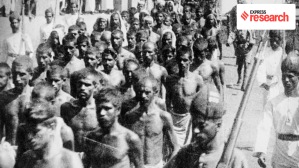
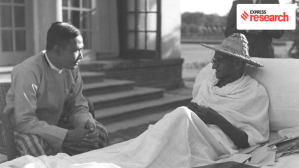
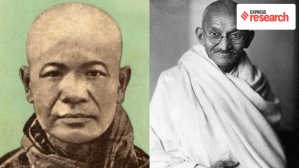
Dear reader, The birth anniversary of Mohandas Karamchand Gandhi always sparks reflection on India's struggle for independence. This week, we revisit Gandhi's lesser-known trip to Burma. In 1929, he undertook his third and longest visit there. His ideas of satyagraha and swadeshi inspired the masses. Yet, his stance that Burma was not a part of Bharatvarsha drew public criticism. In the end, he left Burma and its fate in the hands of its people. His visit, however, marked a crucial moment in the country's path to separation from India. Meanwhile, in present-day India, the colonial hangover continues to linger in the ways we speak, dress and structure our institutions. One such institution is the Indian prison. Our story delves into indigenous methods of justice and punishment, tracing how Indian society evolved from flogging, mutilation and physical torture to imprisonment and rehabilitation. It was the arrival of the British East India Company that gradually replaced these traditional practices with incarceration and overseas imprisonment in the Straits Settlements. Exploring how the Revolt of 1857 led to a surge in the number of rebels behind bars, we trace the trajectory to the present day-- where issues of overcrowding continue to plague India's prison system. Our story this week also examines alternatives, such as the concept of the open prison, recommended by experts as a step towards a humane and effective justice system. Wishing you a pleasant weekend ahead. Sincerely, Nikita Mohta | | | |
| |
| |




No comments:
Post a Comment